Is It Time to Replace Your Stove?
There’s nothing quite like the comfort of a stove through winter. But as we move into March and the evenings begin to brighten, it’s a good time to reflect on how yours performed over the colder months. At Pearsons of Duns, we find that spring is often when customers start noticing issues they lived with during winter - reduced heat, blackened glass, difficulty controlling the burn.
Why stoves lose performance
A stove operates under intense and repeated heat cycles. Every time it is lit, the metal expands. As it cools, it contracts again. Over years of regular use, that constant expansion and contraction gradually affect internal components.
Throat plates can begin to distort, reducing the stove’s ability to retain and circulate heat efficiently. Fire bricks may crack over time, and we would recommend these are replaced. Rope seals compress and harden over time which affects burn control and efficiency.
Air controls themselves can become less precise as moving parts wear. When airflow cannot be regulated accurately, the stove may burn too quickly, waste fuel, or produce excess smoke.
These changes are usually gradual - which is why performance often declines slowly rather than suddenly.
Signs it may be time to upgrade
After a full winter of use, check for:
- Cracks in the stove body or glass
- Warped internal baffle plates
- Heavy rusting inside the firebox
- Door seals that no longer feel airtight
- Reduced heat output despite good fuel
- It’s also worth paying attention to how controllable the fire feels.
- If small adjustments to the air controls no longer make a clear difference, that can indicate internal wear.
Some components - such as rope seal or glass - can be replaced as part of routine maintenance. However, when structural wear, distortion or ongoing inefficiency becomes evident, replacement is often the more practical and cost-effective long-term solution.
The difference modern stoves make
All new stoves now meet Ecodesign regulations, which set strict limits on emissions and efficiency. Modern combustion systems are designed to burn fuel more completely
This results in:
-
More complete combustion
-
Higher heat output from the same amount of fuel
-
Significantly reduced smoke and particulate emissions
-
Cleaner glass through improved airwash systems
- Less soot and creosote build-up within the flue
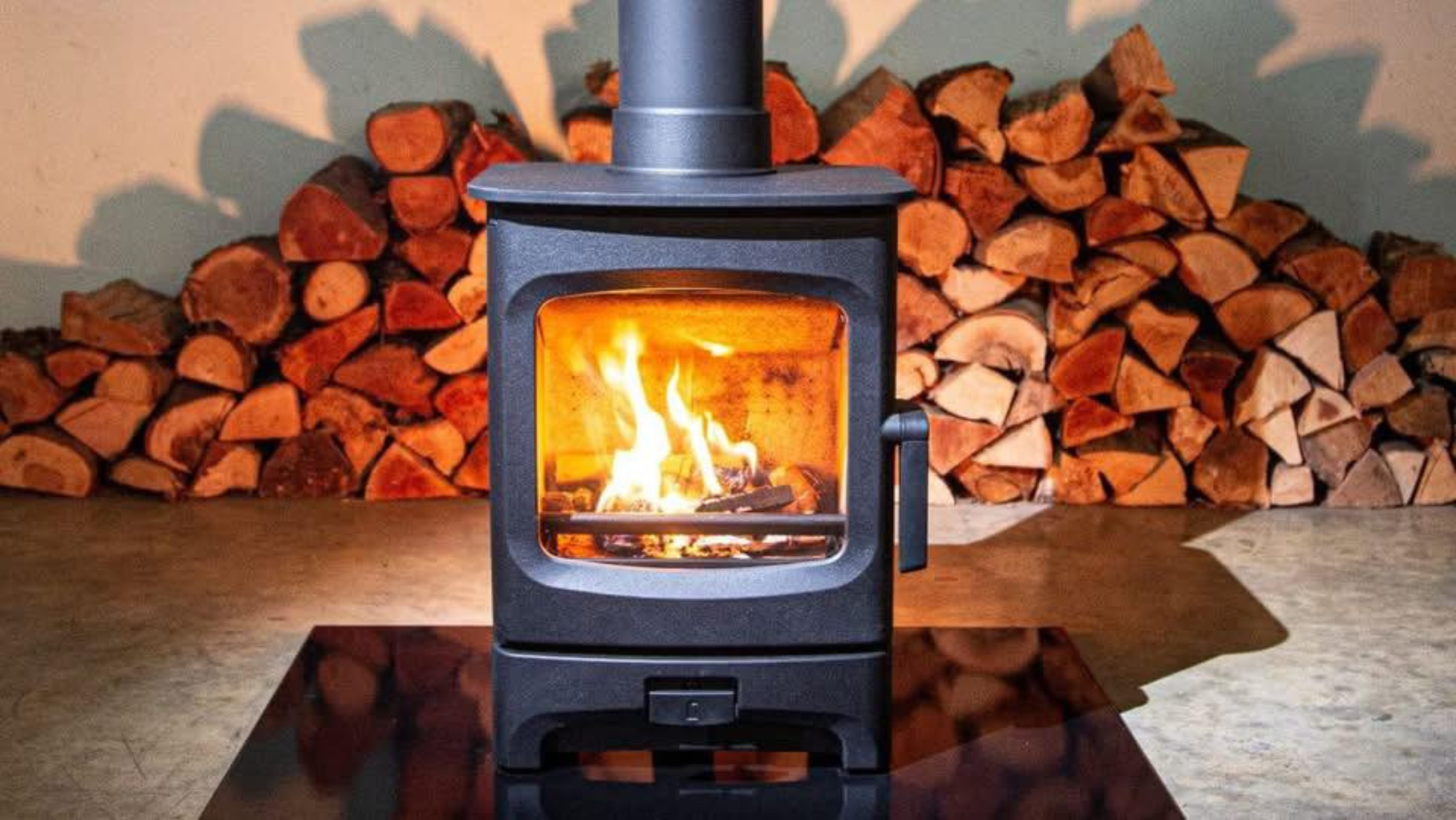
In practical terms, you use less fuel to achieve the same level of warmth. The fire burns cleaner, the flame picture remains clearer, and chimney maintenance requirements are often reduced.
For many households, the improvement is noticeable immediately - not only in warmth, but in how controllable and efficient the stove feels to operate.
Why spring is the right time
As the heating season begins to ease, it becomes easier to assess the condition and performance of your stove. Winter use can highlight wear that isn’t always obvious at first, and spring gives you the space to look at it properly rather than simply getting through the colder months.
By getting in touch with us now, you avoid the inevitable autumn rush when everyone starts thinking about heating at the same time. It allows us to spend time with you, talk through room size and output requirements, and make sure you choose the right model without pressure. Planning ahead means everything is in place well before the colder evenings return.
Our Recommended Charnwood Models
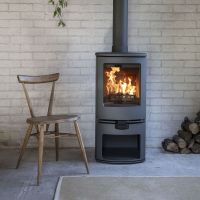
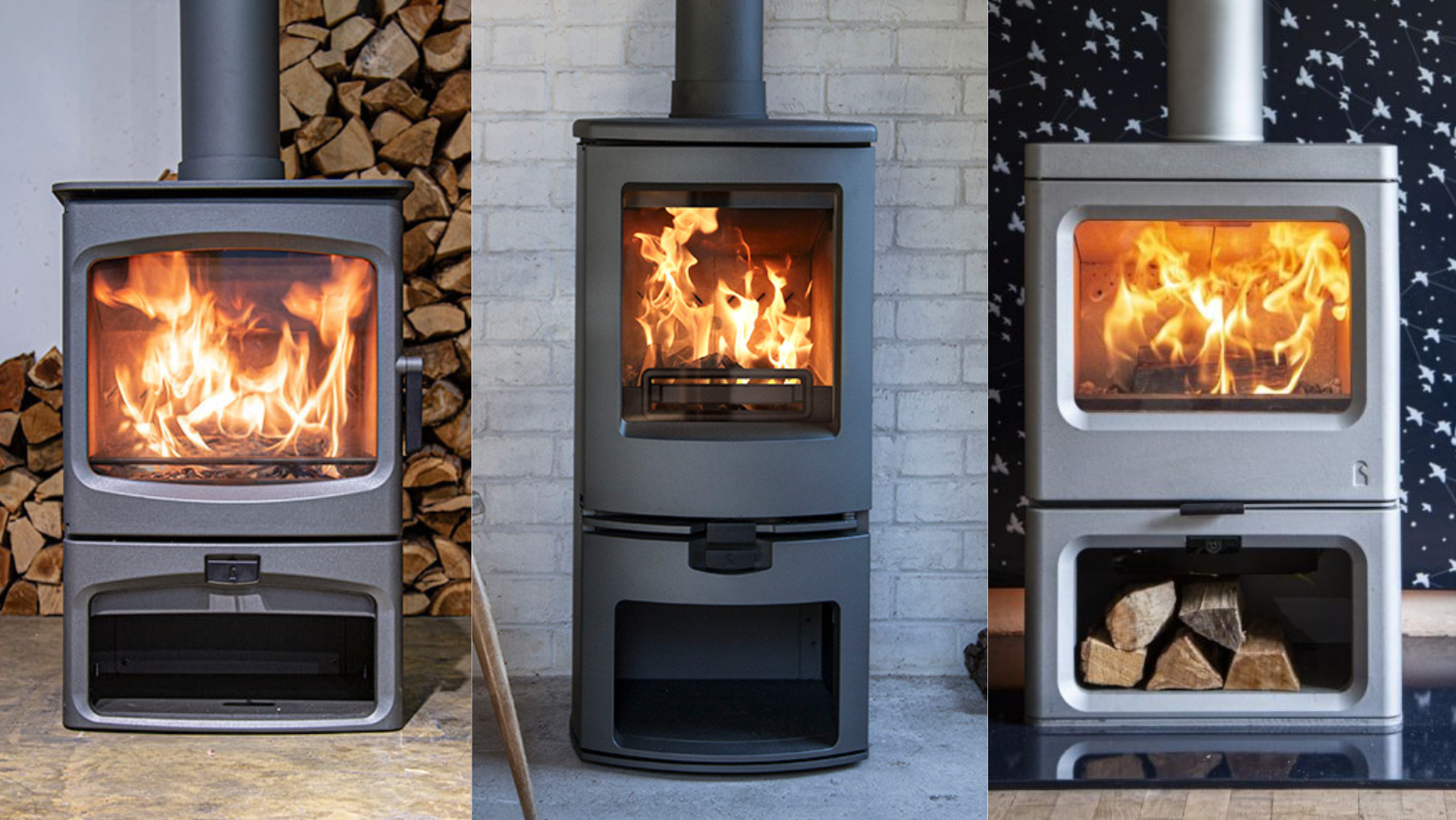
Charnwood Aire 7
Designed for larger rooms and open-plan areas, the Aire 7 delivers an impressive 7kW output and features one of Charnwood’s largest picture windows.
It offers strong heat performance combined with a striking flame view that naturally becomes the focal point of the room. Ideal where both output and visual impact matter.
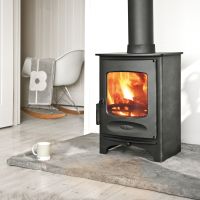
Charnwood Arc 5
A contemporary 5kW multifuel stove with an innovative combustion system that exceeds Eco Design standards. Its curved styling gives it a softer modern look, making it well suited to both updated cottages and newer homes. A dependable and efficient everyday option.
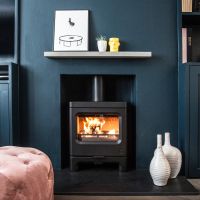
Charnwood Skye E700
An intelligent, microprocessor-controlled stove using Charnwood’s I-Blu combustion system.
It continuously monitors and adjusts airflow automatically to optimise efficiency and reduce emissions. Load the fire, close the door, and the stove manages the burn for you - delivering consistent performance with minimal adjustment.
Plan now, enjoy later
If your stove showed signs of wear this winter or simply didn’t perform as well as it once did, spring is the ideal time to review your options. At Pearsons of Duns, we’re happy to talk through room size, heat output and fuel type to help you choose the right model for your home.
A little planning now means complete peace of mind when autumn returns. And that’s exactly what Spring It On is about.