
How to Store Your Fuel Over Winter
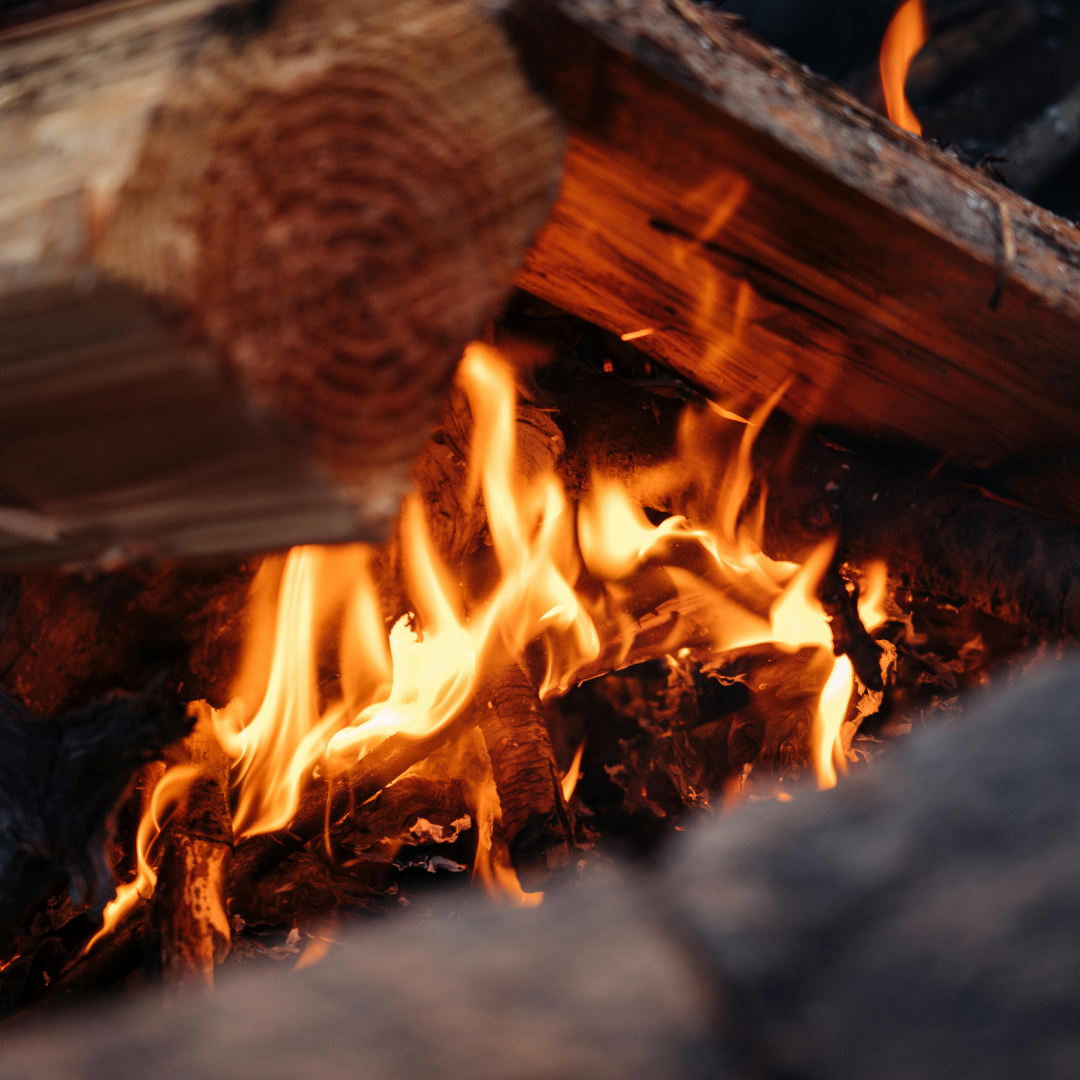
Winter in the Scottish Borders brings plenty of wet days, cold snaps and the occasional storm, so this is the time of year when good fuel storage really matters. If your logs, ovoids and kindling stay dry and well-ventilated, your stove will light more easily, burn more efficiently and keep your home cosy when you need it most. With a little planning, it is simple to protect your fuel from rain, frost and condensation all the way through the season.
Keeping logs dry and ready to burn
Good logs should always be dry, seasoned and stored somewhere with free air movement. HETAS recommends that logs reach a moisture content of 20 percent or below before they are burnt, otherwise you lose heat up the chimney and risk extra soot and tar. Even well-seasoned logs can take on moisture again if left in the wrong spot.
A covered woodstore is ideal. Slatted sides allow air to circulate while the roof keeps the worst of the weather off. Stacking the logs loosely rather than tightly helps them breathe and raising them off the ground prevents damp from wicking up from below. Try to keep your store facing away from the prevailing wind and rain. In our area, this often means avoiding a straight west-facing opening.
If you buy kiln-dried logs, they still benefit from protection. They are ready to burn straight away but will happily absorb moisture if they are left exposed, which reduces their efficiency. Even a simple lean-to, canopy or sheltered corner can make a noticeable difference throughout December and January.
Looking after ovoids and smokeless fuels
Ovoids and other smokeless fuels behave differently from logs. They don’t need as much ventilation, but they do need to be kept dry. Rain, sleet, and snow can cause them to soften, crumble, or break apart, which leads to a less efficient burn and more waste. If your ovoids do get wet, leave them by the fire to dry out fully before using.
A sturdy fuel bunker is the most reliable option for winter storage. Make sure the lid closes firmly and that the bunker sits on a level, dry surface. If you only use smaller amounts at a time, a lidded container kept in a sheltered outhouse or garage works just as effectively.
Keeping kindling crisp and easy to light
Kindling is the quickest fuel to absorb moisture. Even a few hours of wet weather can ruin your supply, leaving it soft, heavy and reluctant to burn. A small, enclosed storage box is usually all you need. Some people keep kindling indoors in winter, especially if they have a porch or utility room where it can stay dry without cluttering the living space.
Balancing ventilation and protection
The key to winter storage is finding the right mix of airflow and shelter. Logs need ventilation or they risk going mouldy, but they still require protection from persistent rain. Ovoids need full protection but can suffer if condensation builds up inside sealed containers.
Try to check for signs of excess moisture. Condensation on the inside of a fuel store roof, a musty smell or logs that feel cool and heavy to the touch can all indicate damp. Removing a few pieces from the store and letting them dry near your stove (but never on top of it) can help you judge whether your fuel is performing as it should.
How to spot fuel that is not ready to burn
There are a few clear signs that your fuel might be letting you down.
- Logs hiss or bubble at the ends when placed on the fire, which suggests too much moisture
- Ovoids take longer than usual to catch or fall apart as they heat
- Kindling refuses to flame, instead smouldering slowly
- Your stove glass blackens more quickly than normal, which can be a sign of wet wood
- If you have a moisture meter, it is worth using it occasionally through winter to make sure your logs are still within a good range
Keeping your stove and chimney safe
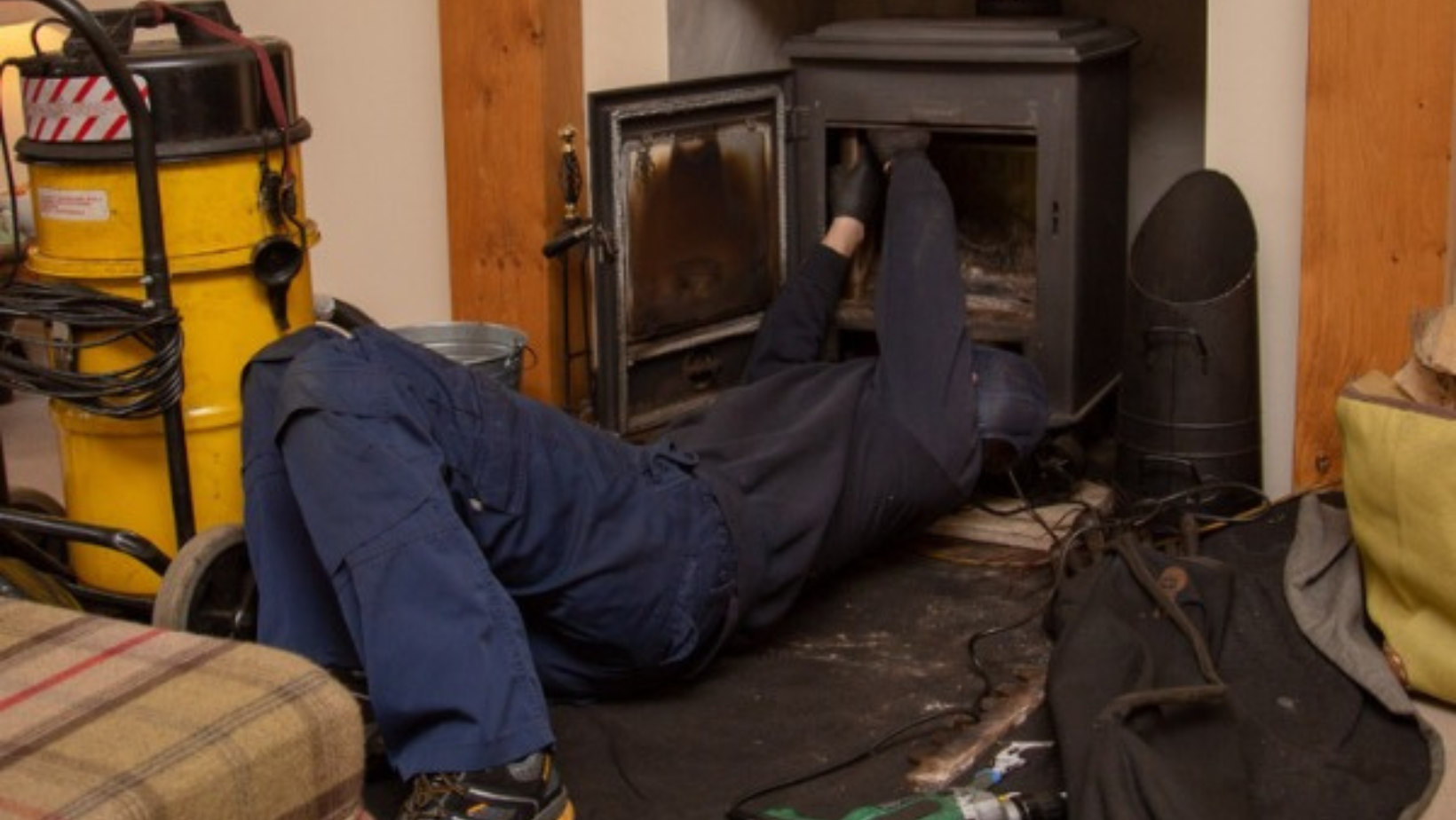
As well as storing your fuel properly, winter is the ideal time to make sure your stove and chimney are safe, secure and working at their best. A well-maintained stove burns more efficiently, reduces smoke and soot, and helps prevent chimney fires. Regular sweeping is recommended by HETAS and is especially important if you burn wood frequently throughout the colder months.
To make things even easier this December, anyone who books a chimney sweep with us will receive a free pack of Woodlet briquettes. The sweep appointment itself can be scheduled from Jan 2026 - May 2026, so you can secure your offer now and choose a time that suits your home and your heating habits.
A cleaner chimney and a safer stove, plus a free, ready-to-burn fuel top-up, is a simple way to prepare your home for the rest of the heating season.
Making the most of your winter fires
A little organisation in December goes a long way. Choosing the right store, keeping an eye on airflow and protecting your fuel from the worst of the weather keeps your fireside warm, efficient and reliable right through the season.
If you would like help choosing a log basket, fuel bunker, moisture meter or would like to book your chimney sweep and claim your free Woodlet briquettes, we are always happy to offer advice tailored to your home and the Scottish Borders climate.