
How Wet Firewood Could Be Costing You Money
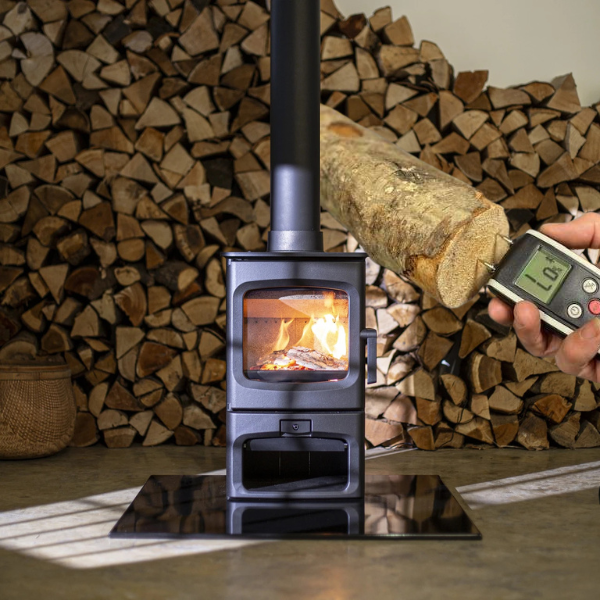
There’s nothing quite like getting the stove going when the temperature drops here in the Scottish Borders. A good fire should light readily, burn steadily and give off the warmth you expect, but when that does not happen, it is easy to assume there is a problem with the stove itself. If you are getting through logs more quickly than usual, struggling to establish a consistent flame or finding that the glass blackens soon after lighting, the problem may actually be the firewood you are using.
The moisture content of firewood has a significant effect on how well it burns. HETAS recommends using wood with a moisture content of 20% or less because properly dried firewood is easier to light, produces more useful heat and creates less smoke and tar than wet logs. The difference is not simply one of convenience. It can affect how much fuel you use, the condition of your stove and chimney, and ultimately how much it costs to keep your home warm.
At Pearsons of Duns, we have been supplying fuel since 1920. More than a century of experience has shown us that choosing the right fuel is every bit as important as choosing the right appliance, particularly in rural and older properties across the Scottish Borders where a stove may provide valuable additional warmth throughout the colder months.
Why does the moisture content of firewood matter?
Freshly cut wood naturally contains a high proportion of water. Before it is ready to be used as firewood, much of that moisture has to be removed through careful seasoning or kiln drying. Although a log can feel dry on the outside, its centre may still hold considerably more moisture, which is why appearance and touch alone are not always reliable indicators of whether wood is ready to burn.
When wet firewood is placed on a stove, part of the heat generated has to be used to evaporate the water held inside the log before the wood can burn effectively. That energy is therefore not being used to warm the room. The result can be a cooler, less consistent fire that needs more attention and more fuel to maintain the temperature you want.
Dry firewood behaves very differently. It lights more easily, reaches an effective burning temperature more quickly and produces a steadier flame, allowing a greater proportion of the energy in the wood to become useful heat. During a Scottish Borders winter, when a wood-burning stove may be used regularly for several months, that improvement in performance can make a noticeable difference to both comfort and fuel use.
Could wet firewood be costing you money?
The price of a bag, net or load of firewood is only part of its true cost. If the logs contain a high level of moisture, some of what you are paying for is water, and some of the energy released by the fire will then be spent removing that water. You may need to add logs more often or burn a larger quantity to achieve the same level of warmth, so a cheaper supply of poorly seasoned firewood can prove to be a false economy.
By comparison, good-quality kiln-dried firewood offers more reliable performance because it is already dry enough to burn efficiently. This does not mean every stove will use exactly the same amount of wood, as appliance efficiency, room size, insulation, airflow and the way the stove is operated all play a part. However, starting with fuel at the correct moisture level gives your stove the best opportunity to deliver the heat and burn time it was designed to provide.
There may also be longer-term costs to consider. Wet wood tends to burn at a lower temperature and produce more smoke, soot and tar, which can contribute to deposits in the stove, flue and chimney. Dry firewood does not replace the need for regular chimney sweeping and stove maintenance, but using suitable fuel can help your appliance burn more cleanly and reduce avoidable build-up.
Signs your firewood may be too wet
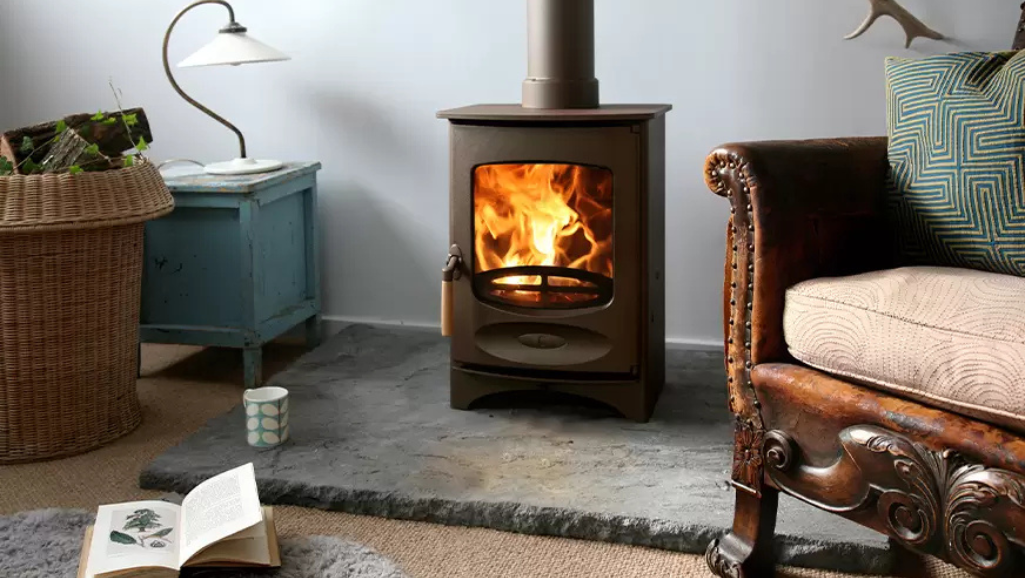
Your fire will often give you an early indication that the moisture content of your logs is too high. One sign on its own does not necessarily prove that the fuel is wet, because airflow, lighting technique and the condition of the appliance can also affect performance, but several of the following symptoms together are a good reason to check your firewood:
- the wood hisses, spits or bubbles as it heats;
- the fire is difficult to establish, even with suitable kindling;
- the logs smoulder rather than producing a strong, steady flame;
- the fire produces excessive smoke;
- the stove glass blackens quickly; or
- you have to add logs frequently without getting the heat you expect.
If these problems persist, check that the air controls are being used in line with the stove manufacturer’s instructions and that the appliance and chimney have been properly maintained. Testing the logs with a moisture meter will then help you establish whether the fuel itself is contributing to the problem.
What does Ready to Burn mean?
The Ready to Burn mark is a useful way to identify properly dried firewood. Administered by Woodsure, the certification confirms that qualifying wood fuel has a moisture content of 20% or less and gives customers added reassurance about the quality of the product they are buying.
Pearsons of Duns is an approved Woodsure Ready to Burn merchant, and our kiln-dried wood fuel is dried to below 20% moisture. This means it is ready to use when it reaches the customer, provided it continues to be stored correctly after delivery.
The legal requirement for Ready to Burn certification applies to certain sales of wood fuel for domestic use in England. It is not currently a legal requirement for equivalent sales in Scotland, but the mark remains a valuable and easily recognised assurance that the firewood meets the stated moisture standard. For customers in the Scottish Borders, it offers a straightforward way to compare more than price when choosing fuel.
How to check the moisture content of firewood at home
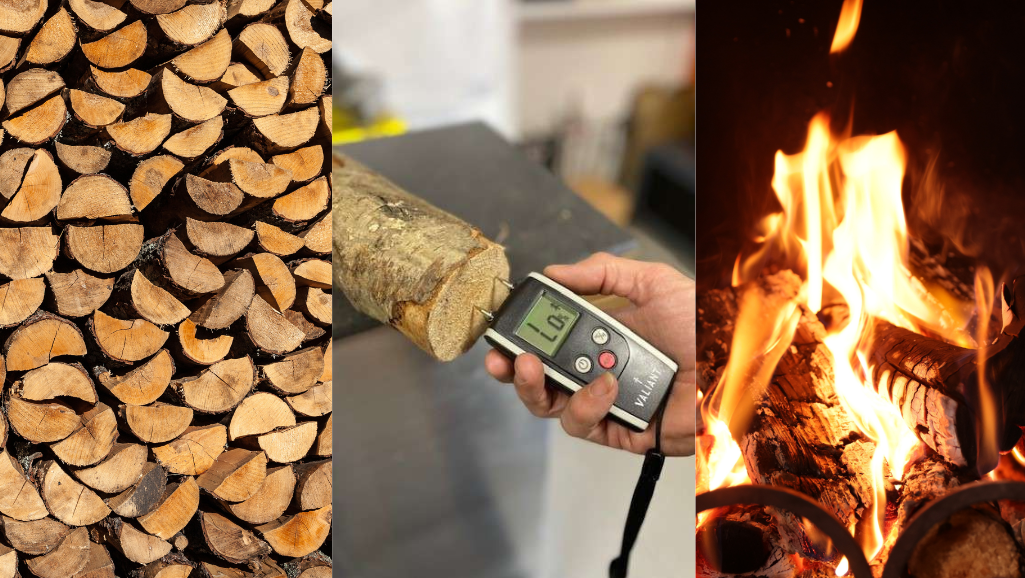
A moisture meter is a simple and useful tool if you season your own logs, buy firewood in bulk or have fuel that has been stored for some time.
For an accurate indication of moisture content, it is important not to test only the outside of the log. The surface can feel dry while the wood inside still contains too much moisture.
Choose a representative log from your supply and split it through the middle to expose a fresh surface. Using your moisture meter, take six readings in total:
- Take three readings from the outside of the log.
- Take three readings from the freshly split surface, pressing the probes firmly into the wood.
Add the six readings together and divide the total by six. This will give you the average moisture content of the log.
The average moisture content should be 20% or below before the log is burned.
It is also worth testing more than one log, particularly if your firewood has come from different parts of a stack or has been stored for different lengths of time. Checking a few pieces will give you a better indication of the overall condition of your supply than relying on a single log.
Always follow the instructions supplied with your moisture meter, as the recommended probe position and settings can vary between models.
Keeping firewood dry in the Scottish Borders
Buying properly dried firewood is only part of the process. Once the logs arrive, they need to be stored in a way that protects them from rain and damp while allowing air to circulate. This is particularly important in the Scottish Borders, where prolonged rain, frost and driving wind can make outdoor fuel storage more challenging.
A covered, open-sided log store is usually ideal because it keeps off the worst of the weather without sealing the wood in. The stack should be raised above damp ground, arranged so that air can move between the logs and positioned where rain is unlikely to blow directly onto the exposed sides. Avoid wrapping the entire stack tightly in plastic, as this can restrict ventilation and trap condensation around the wood.
If you bring logs indoors before using them, only bring in a manageable quantity and keep them a safe distance from the stove. Your appliance manufacturer’s guidance should always take priority when deciding where fuel can be stored safely. Good storage will not dry very wet wood overnight, but it will help properly seasoned or kiln-dried firewood retain the low moisture content you paid for.
Choosing the right firewood for your stove
Moisture content is one of the most important things to look for when buying firewood, but it is not the only consideration. Log size, wood type, heat output, fire life and ease of lighting can all influence how suitable a fuel is for your appliance and the way you use it. You should also follow the stove manufacturer’s instructions and burn only the types of fuel approved for that appliance.
Pearsons of Duns began as a small coal merchant at Duns Railway Station in 1920. More than 100 years later, we remain a family-run local business, supplying fuel to homes throughout the Scottish Borders and further afield. That experience allows our team to offer practical advice based on your stove, your priorities and the type of fire you want to achieve, rather than treating every household in the same way.
If you would like help choosing the right fuel, pop into Pearsons of Duns or speak to our knowledgeable fuel team. We will be happy to help you find an option that is suitable for your appliance and the way you heat your home.
-
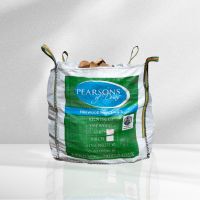 Kiln Dried Large Dumpy - Birch or Oak logsAs low as £137.50 £130.95
 -
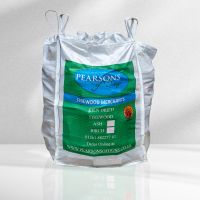 Kiln Dried Super Dumpy - Birch or Oak logsAs low as £217.50 £207.14