Firewood vs Smokeless Ovoids: Which Fuel Is Best for Your Stove This Winter?
As the nights draw in across the Scottish Borders, many of us are lighting our stoves more regularly and thinking about getting stocked up for winter. Choosing the right fuel can make a real difference to how your stove performs, how often it needs topping up and how much you spend keeping your home warm.
At Pearsons of Duns, we often help customers weigh up the options between firewood and smokeless ovoids. Both have their benefits, but which is best for your home? Much depends on your appliance and whether you want a few cosy hours by the fire or steady warmth throughout the day.
Firewood or ovoids: which offers better value?
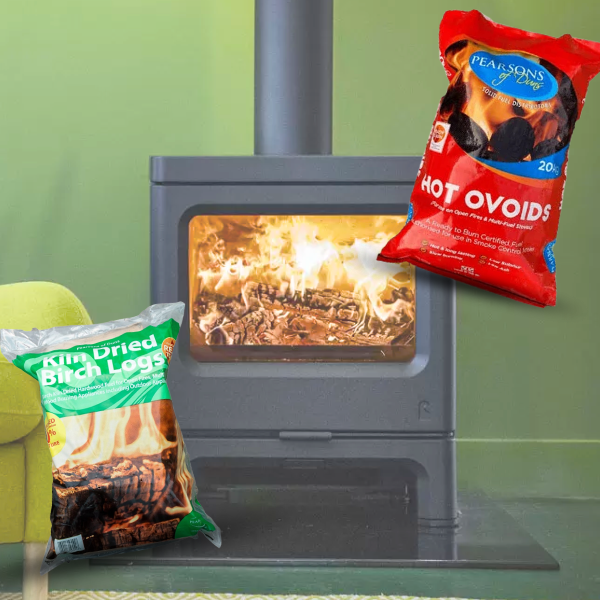
We put two similarly priced bags of fuel to the test: a 22L bag of kiln-dried birch logs, priced at £6.25, and a 10kg bag of Hot Ovoids, priced at £6.15.
In our comparison, the birch logs burned for around five hours, while the Hot Ovoids lasted up to 24 hours. With a slightly lower bag price and a considerably longer burn time in our test, the ovoids showed why they can be a more cost-effective choice for households needing sustained warmth from a suitable multi-fuel stove.
Firewood still has its place, particularly if you enjoy lighting your stove for a few hours in the evening. But if you regularly keep your fire going throughout the day, ovoids are worth considering to help your winter fuel budget go further.
Actual burn times and heat output depend on your appliance, fuel load and airflow. Our comparison illustrates potential value rather than a guaranteed saving, as a longer burn does not necessarily mean the same heat output throughout.
When kiln-dried firewood is a good choice
There is something lovely about settling down beside a log fire on a cold evening. If you tend to light your stove after work and enjoy it for a few hours, kiln-dried logs can fit your routine well.
The important thing is to use dry wood. Logs with a moisture content of 20% or below give you more useful heat because less energy is spent drying the wood as it burns. Even kiln-dried logs need to be stored properly, so keeping them sheltered from the Borders weather helps protect the fuel you have paid for.
Firewood is also the right option for a dedicated wood-burning stove. You should never switch to ovoids unless your appliance manufacturer specifically permits them.
When smokeless ovoids come into their own
Smokeless ovoids are manufactured solid fuel briquettes designed for use in compatible appliances. If your stove works hard throughout the colder months, they can offer sustained warmth with less frequent refuelling.
Our Hot Ovoids provide high heat output with relatively little ash and can be used on suitable open fires and multi-fuel stoves. They are a practical option for customers who want to maintain warmth over longer periods, rather than lighting a fire for just a few hours.
Always follow your appliance instructions for loading and airflow. Trying to extend a burn by closing the air controls too far can leave the fuel smouldering and affect safe operation.
Keeping your winter supply in good condition
Good storage helps your fuel perform as it should. Logs need shelter from rain, space for air to circulate and a raised base to keep ground moisture out. A covered, ventilated log store is ideal, particularly through our wetter winter months.
Ovoids should also be kept dry, in a suitable fuel bunker or weatherproof storage area. Keep all fuel safely away from your stove and follow the storage instructions on the packaging.
A little advice goes a long way
The best fuel is one that suits your appliance, your home and the way you use your fire. Whether you are stocking up on kiln-dried logs or considering smokeless ovoids for a longer-lasting burn, we are here to help you choose.
Take a look at our Solid Fuel Guide to compare appliance suitability, heat output and longevity, or speak to the Pearsons team for advice on keeping your home warm this winter.
*Prices quoted were those used in our burn-time comparison. Current prices may differ, and actual performance will depend on your appliance and how it is operated.
-
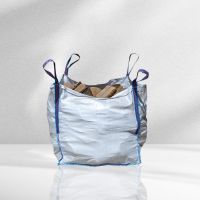
 Kiln Dried Large Dumpy - Birch or Oak logsAs low as £139.50 £132.86
-

-

-